

 Share on bsky
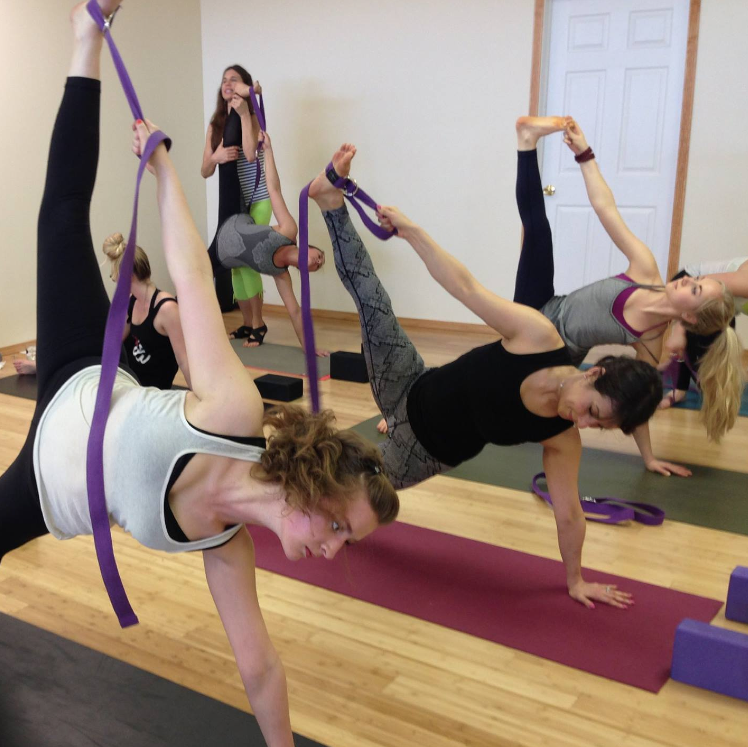
Are you considering doing yoga teacher training?
Much like shopping for a diamond, purchasing a yoga teacher training can be symbolic of a commitment. Once you understand the credentials, connection, costs, and competency of the program you’re considering, the decision is easy!
Credentials
Is the school registered with the Yoga Alliance? If so, at what levels?
Any reputable yoga school should be Yoga Alliance registered. Keep in mind, there are two levels of registry: 200 Hour and 300 Hour. At the same time, registry is only one filter, and it doesn’t guarantee the program is a fit for you.
Is the program taught by qualified trainers?
Just because a program exists, doesn’t mean it is a quality program. Investigate the experience of the faculty leading the teacher training. How many years teaching experience do they have? Individually? Collectively? As a yoga teacher trainer?
I’m not saying experience alone is sufficient—it’s not. But being green isn’t an advantage in this case. You want a trainer who knows the ropes and who can save you years of struggle by teaching what to avoid and what to do to become a successful yoga teacher.
Connection
Do you have a connection with one or more of the faculty leading the training?
Teacher training is a little bit like dating: You’re going to be spending a lot of time with these people, and so it’s important to match yourself with a good fit. A good school will share your interest in finding a good match.
Matching serves both of you.
Do you know anyone who has graduated from the program?
Make a point to find out where your favorite yoga teacher trained. It may lead you to the program that’s a great fit with you.
Does the school teach the style of yoga you love and practice?
Choose a program that teaches a style that reflects your own interests. If you love power yoga, don’t enroll in a gentle hatha yoga teacher training program and vice versa!
What is the student-teacher ratio?
In today’s market, there is a wide range. If you’re looking for a smaller, more intimate training, do your homework. Otherwise, you could end up in a training with a very large group.
Costs
What is the total cost of the certification—are their hidden costs?
Today there are many options when selecting a yoga teacher training programs. Some are residential, some are not. Some are all-in one, some are module-based.
Do your math! If you are attending a program that has multiple modules, make sure you know exactly which modules you must complete in order to get certified. Add up the costs, or call the school and ask. They should gladly provide this information to you.
Find out whether there are additional costs for certification testing, required retreats/workshops, books and yoga class passes.
What is fair market price for Yoga Teacher Training?
Tuition for a complete 200-hour yoga teacher training program ranges from approximately $2,800 to $10,000, depending on the program. There are a variety of factors that influence pricing including the experience of the instructors, the rigor of the training, and the business model of the school.
Competency
What are the top three most important skills I want to learn?
Teaching yoga requires a variety of skills including but not limited to:
• Sequencing
• Cueing
• Centering
• Voice and presence
• Alignment, benefits and contraindications of poses
• Verbal and Physical Assists and how to read bodies
Notice the teachers you enjoy and the skills they embody. Then find out if the program you’re considering has an emphasis on those skills. For example, not all training programs teach hands-on assists. If this is important to you, you’ll want to find one that offers it as a part of the curriculum.
Where can I teach once I’m certified?
Many yoga teacher training programs are proprietary. This means you will be branded by the school that certified you and may be limited where you can teach.
If this matters to you, you may want to consider a yoga teacher training program that is not franchised or limited by its brand identity. Look for programs that empower the Trainee to learn how to create their own sequences and authentic teaching style. It’s fine to have done-for-you templates, but you’ll soon grow tired of this and want to know that you can creatively and confidently develop lesson plans for a wide variety of students that guarantee their safety and success!
Author: Laurel Hodory
Editor: Renée P.
Photos: Author’s Own
 Read 12 Comments and Reply




Read 12 comments and reply