

 Share on bsky
The fajitas are heard before they are seen.
Sizzling steak, chicken, or shrimp married in onions, garlic, and peppers parade through the restaurant, announcing their arrival on a piping-hot, iron skillet. The smell is intoxicating. And God help you if you’re still considering the menu as the server walks the fajitas past your table. There’s nothing better than Mexican food. It’s my comfort food, the cuisine I crave for celebrations or to nurse wounds.
From the opening salvo of chips and salsa to the sweet flan custard at the end, there isn’t anything I don’t love about eating Mexican food. Chili con carne, chili con queso, or any other chili con fill-in-the-blank is better than any 4-star Michelin restaurant. And burritos. The “little burro” filled with carne asada, pico de gallo, cheese, beans, and spicy rice smokes any other lunch offering. Portable and delicious, the worst burritos I’ve eaten is still better than the world’s best turkey sandwich.
You can only imagine my giddy excitement for a vacation to Mexico City. While exploring the canals of Xochilmico, climbing the pyramids of Teotihuacan, and visiting Casa Azul, Frieda Kahlo’s home were the primary purpose of the trip, I made sure to pack my appetite in the overhead compartment on the flight to CDMX. Turns out the food was spectacular, but it wasn’t the Mexican food I was familiar with. It was only on returning back to the States that I realized I don’t love Mexican food—I love Tex-Mex.
North of the Border
Tex-Mex is a combination of southwest American cuisine and the staples of Mexico. The ranching culture of southern Texas and Northern Mexico, straddling the Rio Grande River, spawned a diet filled with beef, grilled foods, and tortillas. It’s rooted in the Tejano culture. The Texans of Spanish or Mexican heritage hail from this region. In the 1930s, this combination of cultures was influenced by American ingredients, specifically cheddar cheese.
Add abundant refrigeration, and you’ll see the introduction of sour cream and other dishes more familiar to the Tex-Mex style. Tex-Mex exudes that perfect balance of creamy and spicy. Bring on the habanero salsa as long as there’s sour cream to cut the heat. Make my chili however you want, but leave out the beans. And yes, I’d love a plate of nachos covered in jalapenos and melted cheese. My mom liked to cook Mexican food when I was a kid. This usually meant ground beef with a taco spice packet and store-bought crispy tacos. You won’t find this anywhere in Mexico City, unless there was a Taco Bell I didn’t find.
La Verdad
Traditional Mexican food is based in necessity. Until the introduction of European influences, most Mexicans ate a vegetarian-rich diet of tomatoes, squash, avocados, corn, potatoes, spinach, and peppers. Corn was the most important of the staple foods, usually consumed as a tortilla. I can tell you, firsthand, the tortillas in CDMX are better than anything you’ll get at the local supermarket. They’re chewy with a rich, almost sweet flavor that really pops when you add the ridiculously hot, yet delicious, red peppers.
Lots of dishes are defined by their sauce. The most prominent of these sauces is called mole. Mole originates from the Mexican regions of Puebla and Oaxaca. A dark red or brown sauce made with chili peppers, spices, day-old bread/tortillas, nuts, and a little chocolate, it’s rich, spicy, and incredible. We ate fried poblano chilis and chicken covered in mole negro. The thick sauce was packed with four types of chilis, cumin, tomatoes, and chocolate. Absolutely delicious, although the mole really packed a punch.
It’s important to note the influence of the Conquistadors in Mexican food wasn’t just European influences. The Moors had recently been vanquished from Spain and imparted the Middle Eastern tradition of heavy spices to Mexico. That’s why really authentic Mexican cuisine has memories of other cultures. Nonetheless, the Mexican food I ate in Mexico City wasn’t anything like I’ve eaten in the Mexican restaurants in the United States. The food tasted earthier, brighter, and leaned more on the spices to season the meats and vegetables. Seems like Tex-Mex relies a heck of a lot more on dollops of sour cream, guacamole, and Tabasco sauce.
Your Taste Buds (and Stomach) Will Thank You
Whether you call it Tex-Mex or traditional Mexican food, I love that I can eat with confidence. A week or so before I left for Mexico City, I started taking a Probiotic a day. I figure if I was going to be eating my way through a city of 30 million people, I should definitely get my gut ready for the adventure.
Having the right bacteria in your digestive tract is important to help with food digestion. I like USANA’s Probiotic sticks because they’re single-serving packs you can take straight. It has a nice, mildly sweet flavor and a unique 50/50 mixture of two well studied probiotic bacteria strains for a powerful one-two punch of belly protection. Turns out having a good foundation in my stomach helped wave off any digestive problems in Mexico City.
And to make sure I could gorge on tacos to my heart’s content, I also took USANA’s Digestive Enzyme. This is a really cool product. It’s made with artichoke extract shown to help you digest food more efficiently to support the absorption of macronutrients (a fancy word for the food you eat: fats, proteins, and carbohydrates). Also, artichoke extract helps relieve fullness and bloating after eating a big meal.
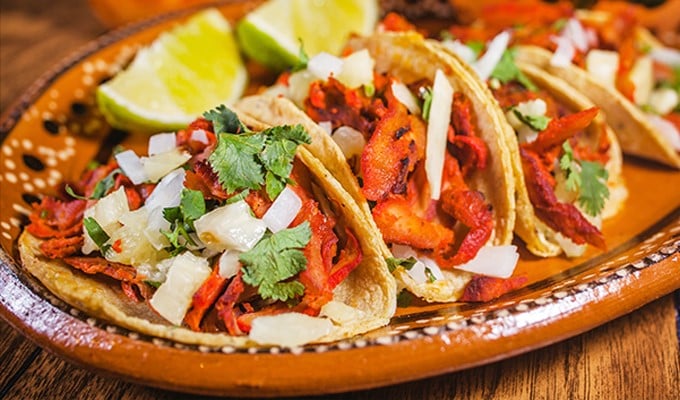
We were in a neighborhood called Roma Norte. This is the same place Alfonso Cuarón shot his eponymous movie, Roma. Roma Norte has this super cool town square with the Cibeles Fountain. It’s a rad center, filled with bars, restaurants, and street vendors. Best of all, they had the single best taco cart I found in CDMX. From a massive pyramid of pork and pineapple cooking over a spit, the cook shaved the al pastor meat, grilled it on a flattop, and served it on wafer-thin corn tortillas with a red sauce only slightly hotter than the sun. I must have eaten a dozen of these silver-dollar sized tacos.
Usually, a meal like this would send me right into a food coma. But with USANA Digestive Enzyme, I felt full but not gorged. According to Ask the Scientists, Digestive Enzyme helps your body effectively digest food.
I’m always curious about people’s travel plans—especially if it means eating cool and different foods. Let me know in the comment section where you’ve been and the foods you loved (or even hated—I’m sure we’ve all been duped into trying haggis
 Leave a Thoughtful Comment





Read 0 comments and reply