

 Share on bsky
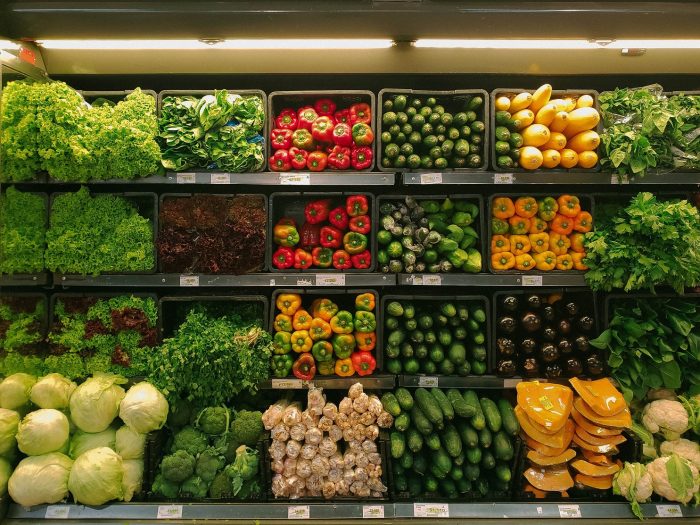
Sustainability continues to be a priority in consumer’s minds. As a society, we’ve been pushing more and more importance on the individual’s impact on the environment. By adding sustainability measures into groceries and supermarkets, we can begin to bridge the gap between the individual and the corporate goals of a sustainable, environmentally friendly lifestyle.
Cutting Back on Plastic Packaging
The move towards plastic-free supermarkets continues to march on, with many brands themselves shifting towards more sustainable packaging methods. Supermarkets themselves are seeking to help push this along by pushing further use of re-usable shopping.
Selling Cheaper ‘Ugly’ Produce
Misfits Market led the charge on cutting back on produce waste. Hundreds of thousands of pounds of food are wasted every year because it is not ‘visually pleasing’ enough to be sold. Misfit Market worked directly with local farms in order to buy and sell products that would be otherwise left to rot – and many supermarkets are following their lead.
Better Sell-By Dates
Currently, nine out of ten grocery products have improved their ‘use-by’ and ‘sell-by’ dates in recent history in order to cut back on food wastes. For a long time, there was an unofficial ‘if in doubt, throw it out’ rule among Americans. This was intended to prevent food poisoning or imperceptibly rotten food, but with advents in better preservatives and shelf-life, this should be left in the past.
Donating or Composting Food
Food waste is the primary concern of sustainable food practices today. One of the major ways that the food industry can help prevent waste is to donate food that is is nearing the sell-by date in order to provide to the under-privileged.
Similarly, many grocery stores are beginning to compost rotting produce. This is an excellent way to help local community gardens or local farming communities. Wegmans, the east-coast powerhouse supermarket, is leading the pack on this. They boast more than 40 million pounds of compost that would have otherwise been food waste.
Supermarkets and grocers are at the forefront of the sustainable food push, and need to put in the most work to provide examples to others within the food industry. Many restaurants and food preparers continue to lag behind in many ways, and only continued pressure from supermarkets, grocers, and consumers will help push the entire food industry forward.
 Leave a Thoughtful Comment





Read 0 comments and reply