

 Share on bsky
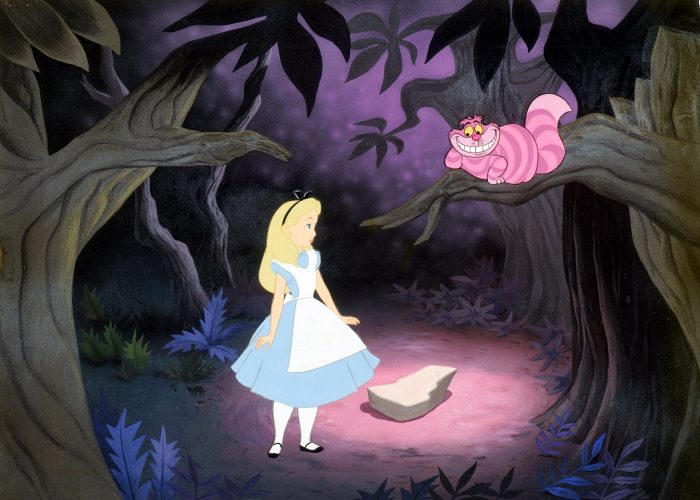
The phrase “on a mission” describes the state of mind of someone who has defined their goal and is focused solely on achieving it. In the book Alice’s Adventures in Wonderland, Alice, the main character, is not at all focused.
Alice… went on. “Would you tell me, please, which way I ought to go from here?”
“That depends a good deal on where you want to get to,” said the Cat.
“I don’t much care where–” said Alice.
“Then it doesn’t matter which way you go,” said the Cat.
“–so long as I get somewhere,” Alice added.
“Oh, you’re sure to do that,” said the Cat, “if you only walk long enough.”
Alice will arrive somewhere, sometime, but it is clear that she is not “on a mission.” If she is lucky or a little bit clever, she may end up in a good place. On the other hand, she may endure misfortune, or choose unwisely. In this case, she will probably end up somewhere quite horrible.
Similarly, the story of The Hare and The Tortoise describes a race between two animals: The slow but focused tortoise and the speedy but easily distracted hare. The tortoise wins the race due to its attitude of focus and determination.
Life is not a journey to the grave with the intention of arriving safely in a pretty and well preserved body, but rather to skid in broadside, thoroughly used up, totally worn out, loudly proclaiming “WOW, what a ride!” ~Hunter S. Thompson
Discovering our most important goals often involves a process of self-interrogation. For example, you may ask yourself if your goals are strictly materialistic. Do you believe that you should buy something new just for the sake of adhering to the philosophy that “Bigger is Better?” You may need to quiz yourself further about the end result of an affluent lifestyle before you choose it as your life’s direction. Writers on the topic of materialism and its consequences have criticized this way of life as something that causes depression and a decrease in positive feelings. In other words, the possessions that can be acquired by excessive spending do not produce happiness.
Researchers have raised another interesting question: “Why watch hours of TV if it is ruining your social and emotional life?” Evidence exists that many people have less access to emotional support than formerly. Many people have reported that they have fewer people in their social circle with whom they can discuss their personal issues. It may be deduced from these reports that watching TV, although it may be entertaining, causes loneliness.
- Have you also succumbed to this trend?
- Do you spend more time watching TV than you do talking to others?
- Does this habit contribute to your mental health?
- Does it contribute to peace in the world?
- Does it help you to help others?
- Does it help you to achieve your goals?
I am asking these questions especially to those who live like Alice, passively letting their lives unfold, or even letting themselves be tossed around by events as if they are sailing on stormy seas. There are so many self-help gurus, so many online courses, that it is easy to go from fad to fad or from trend to trend, without making any real progress.
I want to ask you a favor: Have a commitment to live and create your own story. Organize and construct your life so you will be able to find the meaning of it and enjoy it to the fullest.
Life is always a journey, but it does not have to be totally random. You can make some plans and stick to them without losing all spontaneity. Don’t let yourself be blown around by every wind especially when it comes to teachings about life-improvements. Stick to your course.
 Leave a Thoughtful Comment





Read 0 comments and reply