

 Share on bsky
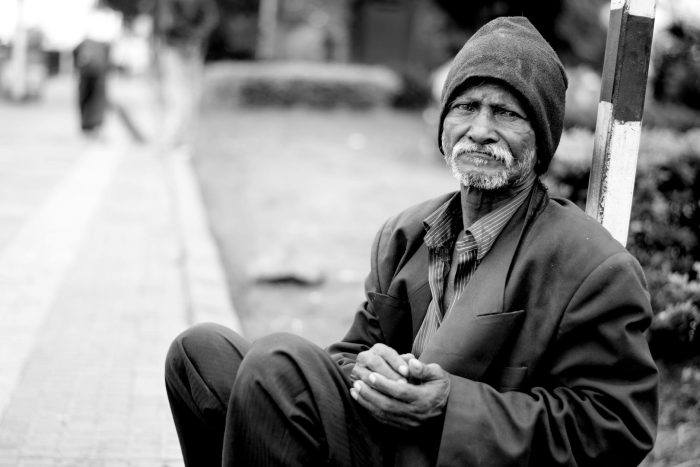
As we look at communities suffering from poverty around the world, we see many discouraged individuals with downcast faces, wondering if their situation will ever improve. With the grave situations that many individuals are facing, it is no wonder that poverty has taken a toll on their mental health. As we look more closely into these communities, we can see an evident tie between poverty and mental health.
Depression and anxiety are undeniably the biggest percentages of mental health issues faced in the world. Even among millionaires, depression and anxiety are present challenges that have to be overcome. For those facing poverty, the amount of depression and anxiety they face is even more significant, given the lower quality of life many live in, as well as the added worries about how they will provide meals and other materials for their families.
In most cases, poverty causes individuals to be more susceptible to these illnesses because of the giant toll it takes on their lives. Whether born into poverty or thrown into it by a job loss or other unforeseen circumstances, the effects of poverty on one’s wellbeing cannot be ignored. With these events comes fear, loss of stability, loss of community and loss of one’s former identity. However, mental health is not only affected by these inner emotions – but is also impacted by environmental and health statistics.
When living in poverty, individuals will likely live in poor housing conditions, which can lead to loss of sleep and exposure to pollution and diseases. We’ve all witnessed ourselves take on grouchy moods as a result of a poor night’s sleep. Imagine that being your everyday circumstance. Surely your overall mental health would take a giant hit from these circumstances.
On top of all this, many of those living in poverty, especially in a big city, have to deal with onlookers judging them, looking down upon them with disgust. Being viewed in such negative light by society begins to wear on one’s self-image, resulting in severe anxiety and depression.
Those that grow up in poverty often see these circumstances take a toll on their cognitive abilities and overall development. Oftentimes, this plants trauma in one’s brain, later leading to poor mental health. Without access to counselors and trained therapists, it can be difficult to understand one’s mental health, let alone treat it.
While it is quite discouraging to hear of the inherent tie between poverty and mental health, it gives a larger purpose to the individuals attempting to rectify these situations and bring hope to these communities. Looking forward, organizations should not only focus on bringing material help to marginalized communities but should also put time and effort into addressing these mental health barriers, providing ongoing resources so that individuals can begin to pursue a healthier mindset.
 Leave a Thoughtful Comment





Read 0 comments and reply