

 Share on bsky
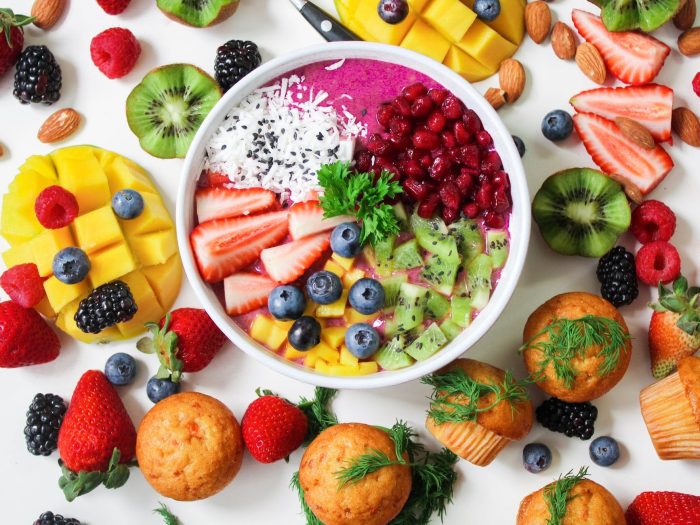
We all know how significant proper nourishment is for our well-being. What if I told you there was an easy way to feed your body tons of essential nutrients? All you have to do is eat a lot of colorful foods. Yup! Let your plates look like a rainbow, my pals. This article explicitly emphasizes the importance of a colorful diet for women’s health. Let’s go, ladies!
Why women?
As just said, this article will discuss the benefits of having colorful foods for women. Why just women? The reason is that women tend to develop more health conditions than men, even if they have a longer life span. The same is true for autoimmune diseases, which affect 80% of women despite their tendency to have more robust immune systems than males.
Also, the prevalence of many neurodegenerative disorders is higher in women than men, including age-related macular degeneration and Alzheimer’s disease. As per studies, women are more predisposed to chronic conditions like dermatitis, anemia, thyroid and gallbladder problems, migraine headaches, arthritis, and colitis.
According to reputable sources, these variations could be mainly due to varying oxidative stress exposure brought on by lifestyle choices and internal factors like endocrine variations. Thus a good lifestyle and healthy diet that includes lots of antioxidants and anti-inflammatory food will help. Speaking of antioxidant and anti-inflammatory potential, we can find it in numerous bright-colored fruits and vegetables.
What is the significance of colored foods?
Phytonutrients, the substances that give plants their vibrant colors and particular tastes and aroma, are present in colorful fruits and vegetables and can effectively promote health. Many of the vitamins and antioxidants we require are also present in bright-colored fruits and seasonal vegetables.
A diet high in plant foods is linked to a lower risk of heart disease and many chronic aging diseases. Consuming 400–600 g/d of fruits and vegetables is associated with a decreased incidence of many common forms of cancer.
Most phytonutrients have free radical scavenging activity and thus help to prevent oxidative damage to your tissues. These also promote the health of vital organs like the liver, kidney, brain, and gut. Phytonutrients, therefore, play a significant role in the prevention and management of several lifestyle diseases as well.
Phytonutrients also improve skin health by shielding it from free radicals and making it radiant, owing to their antioxidant capabilities. It has been demonstrated that the phytonutrients like vitamin E, certain flavonoids, and the carotenoids -carotene, lycopene, and lutein, which are plentiful in colored foods, help to maintain good skin.
The abundance of anti-inflammatory and antioxidant phytonutrients in colored foods makes them a must-have!
Red colored foods
Lycopene gives red foods like tomatoes, watermelon, pink grapefruit, guava, papaya, and cranberries their lovely color. Antioxidant lycopene may help prevent malignancies of the stomach, prostate, and lung. Lycopene-rich foods, such as tomatoes, have been associated with a decreased incidence of both cancer and heart attacks.
Cooked tomato sauce is a particularly excellent source of lycopene because cooking makes it easier for the body to absorb carotenoids. Lycopene consumption is positively correlated with bone mass, bone turnover, and fracture risk, all of which are common in postmenopausal females, according to epidemiological studies comprising various adult populations.
Foods like beetroot and prickly pears contain the red pigment known as betalains. It shows that eating a diet high in betalains is safe and may offer a credible alternative to supplement therapy for disorders linked to oxidative stress, inflammation, and dyslipidemia, including stenosis of the arteries, atherosclerosis, hypertension, and cancer, among others.
Orange and yellow colored foods
Bright colored fruits and vegetables with a yellowish orange tint, such as carrots, mangos, cantaloupe, winter squash, sweet potatoes, pumpkins, and apricots, contain compounds called beta-cryptoxanthin, beta-carotene, and alpha-carotene, which are orange in color and can be turned into vitamin A inside out body. Flavonoid, too often, appears to be a yellowish orange pigment. Some orange fruits and vegetables include beta-carotene, which may help lower the incidence of stomach, esophageal, and lung cancer.
Carotenoids and flavonoids help lessen oxidative stress in the human body because they are powerful active oxygen scavengers with provitamin activity. Carotenoid food reduces the risk of cardiovascular and cerebrovascular illness, eye disorders, osteoporosis, and other chronic diseases. Carotenoids also help to keep your skin healthy and supple.
Purple colored foods
Anthocyanin, a powerful antioxidant, is responsible for the bluish-purple hue of foods like blueberries, eggplant, blackberries, prunes, plums, pomegranates, beets, and purple cabbage. Anthocyanins’ anti-inflammatory characteristics may help reduce the risk of cancer and heart disease as well as the uncomfortable symptoms of arthritis, which is very common in women. It is also an excellent antioxidant that can efficiently destroy free radicals and thus reduce oxidative stress. Anthocyanins, especially from blueberries, have been proven to have excellent anticancer properties.
Green colored foods
Foods that are green in color include Brussels sprouts, broccoli, cabbage, bok choy, etc. Broccoli and cabbage are examples of cruciferous vegetables that are abundant in isothiocyanates and indoles, two phytochemicals that have anticancer potential. Vegetables that are lush green and high in chlorophyll have been linked to a lower risk of heart disease. Green leafy vegetables are nutritional powerhouses loaded with carotenoids, folic acid, vitamin K, and omega-3 fatty acids.
Brown colored foods
Foods with a brown appearance, such as lentils, black beans, and chickpeas, can effectively prevent heart disease. They are all rich in folate, a B vitamin that balances the amino acid homocysteine, which can help blood coagulation. Some brown-colored foods have great antioxidant potential too.
There we are! Try making delicious recipes, including these bright-colored foods. Which colored food is your favorite?
 Leave a Thoughtful Comment




Read 0 comments and reply