

 Share on bsky
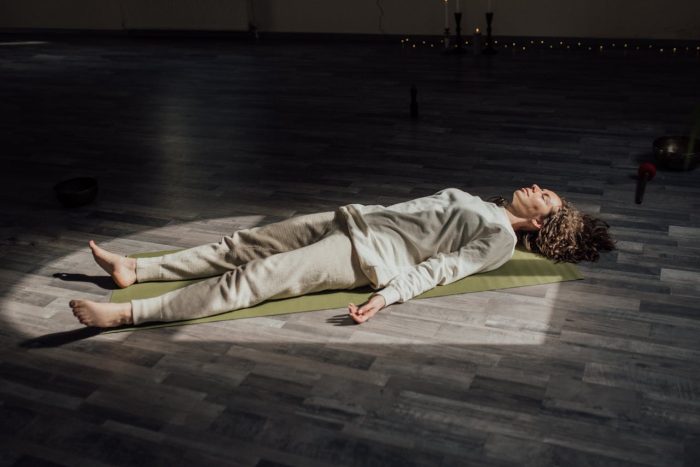
As a heart-centered yoga teacher and a highly sensitive person, I know firsthand how restorative yoga can be an incredibly nurturing practice for those of us who are more attuned to the subtle energies of the world around us.
Being sensitive can sometimes leave us feeling overwhelmed or disconnected, but restorative yoga offers a gentle and supportive space to recharge, recalibrate, and find deep relaxation.
Here are five ways highly sensitive people can benefit from a restorative yoga practice:
1. Cultivating Deep Relaxation and Stress Relief
As highly sensitive people, we often feel the weight of our surroundings more intensely—whether it’s the energy of others, the demands of daily life, or emotional stress. Restorative yoga is designed to help us slow down, relax, and activate the parasympathetic nervous system, which brings our body into a state of calm. By holding poses for longer periods of time, supported by props like blankets and bolsters, we allow our body to release tension and deeply relax, which can be incredibly healing for those of us who often feel overstimulated.
2. Creating Space for Emotional Healing
Sensitivity means we experience emotions more intensely. While this is a beautiful gift, it can also feel overwhelming at times. Restorative yoga provides a safe, gentle space to process and release emotions in a nonjudgmental way. The slow pace of the practice and the supportive props allow us to soften and be present with what comes up, offering a chance to heal and find emotional balance. This space helps us build a healthier relationship with our emotions, learning to release what no longer serves us without feeling the need to “push through.”
3. Grounding and Centering
As highly sensitive people we often feel as though we are constantly absorbing the energy of the world around us. It can be easy to feel ungrounded or overwhelmed by external stimuli. Restorative yoga focuses on breath, stillness, and mindful presence, helping us reconnect with the earth beneath us and find a stable, grounded center. The practice encourages us to root ourselves in the present moment, which can be incredibly supportive for highly sensitive people who may easily feel disconnected from their own bodies or overwhelmed by their surroundings.
4. Gentle Healing for the Nervous System
Our nervous systems can be especially sensitive to stress and overstimulation. Restorative yoga offers a gentle way to soothe the nervous system, allowing us to find balance between the “fight-or-flight” response and a more peaceful state of being. Through the use of deep, conscious breathing and supported postures, we are able to regulate the nervous system, restoring harmony and calm. This is especially beneficial for highly sensitive people who may experience anxiety or overstimulation more frequently, giving us tools to self-soothe and find inner peace.
5. Fostering Connection to Ourselves
In a world that can often feel overwhelming, it’s easy for sensitive individuals to lose touch with themselves. Restorative yoga invites us to slow down and connect more deeply with our inner wisdom and intuition. The practice encourages mindfulness, self-compassion, and gentle presence, allowing us to truly listen to our bodies and honor our needs. It teaches us that it’s okay to pause, rest, and nurture ourselves, providing a beautiful reminder that self-care is not only necessary but vital for our well-being.
In my own journey as a highly sensitive person and a yoga teacher, I have found that restorative yoga is a deeply nourishing practice that allows me to honor my sensitivity while cultivating peace, healing, and connection within. It’s a practice that is not about pushing or striving but about deeply listening, resting, and offering ourselves the love and care we truly deserve.
~
 Read 1 Comment and Reply






Read 1 comment and reply