 Share on bsky
It’s a heavy thing to learn at 18, and the way it hits. Hard in the way it rearranges the inside of a person.
It’s that moment when the world stops being theoretical and suddenly becomes sharp, real, and unfair. When you realize danger isn’t always personal; sometimes it’s symbolic. Not “you” but what someone thinks you stand for. And at that age, that’s a shattering piece of knowledge.
When you’re young enough to love life like there ain’t no tomorrow and at the same time confronted with something terrifyingly impersonal.
You learn that innocence doesn’t always protect you.
You learn that being a good person doesn’t shield you from someone else’s story about you.
And you know you learned it too young.
For sure, it’s a mind-blowing confrontation: loving life so intensely while discovering that the world can be so hostile for reasons that have nothing to do with your character, who you are, or who cares for you. It creates a deep fracture and forces you to grow up faster than you should have had to.
At 18 and barely out of boyhood and sitting at your grandparents’ kitchen table, when the world reaches through the phone and takes a friend you loved. Not because of anything he did wrong, not because of who he was as a person, but because he was sent into a war that swallowed young men whole. And when you had just signed your own papers. You were staring at the same road he had walked down.
That kind of moment brands itself into you.
The feeling isn’t just grief; it’s the shock of realizing how fragile the line is between being here and being gone. I lived a full, long, complicated, beautiful life. He never got the chance. And that unfairness doesn’t fade with age; if anything, it sharpens. You carry the years he never got to have.
I didn’t just lose a cousin. I lost the version of myself who still believed the world was fair.
I honor him not by forgetting, but by living. By building a life he never got to see. I carry his name forward in my memory. By remembering that moment at the table, even now.
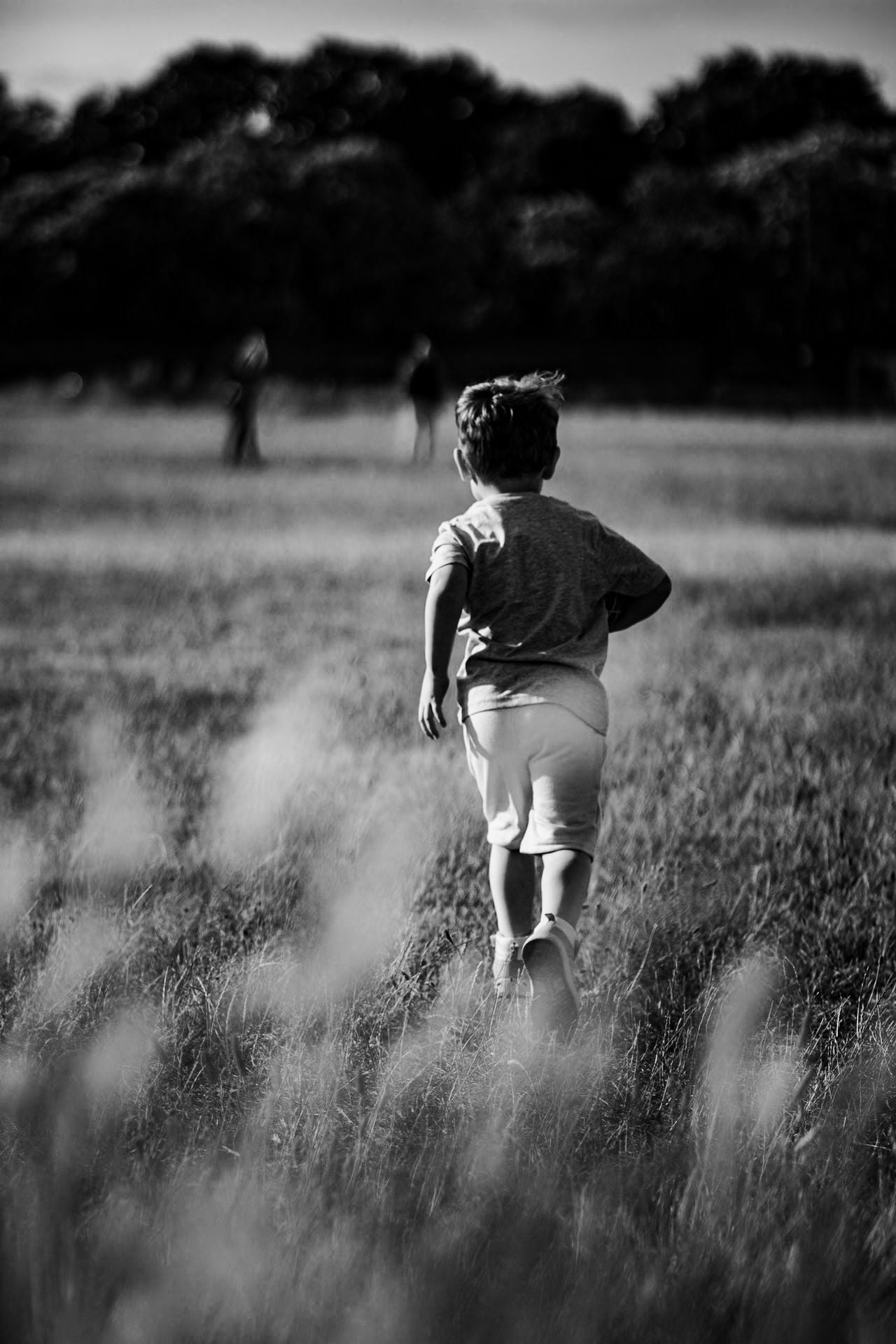
I can feel the whole boyhood world the two of us lived in—the hayfields, the ponds, the long summer days where cousins feel more like brothers. That kind of bond never fades; it settles into the true foundation of who you are.
And the picture you paint of him—protective, gentle, loving—that’s the kind of person who becomes a hero, not because he wanted glory, but because he couldn’t stand the thought of others being hurt. The fact that someone like that ended up in a war…and then ended up doing something so brave it earned the Medal of Honor…that’s almost too much for one life to hold.
He wasn’t built for violence. He was built for loyalty.
And yet, when the moment came, he stepped between danger and the men he cared about. That’s not the kind of courage you learn in boot camp. That’s the kind you grow up with—in hayfields, on farms, in families where you look out for each other.
I carry his memory with such clarity.
Not just the Marine, not just the Medal of Honor recipient, but the kid who swam with me, worked beside me, laughed with me, protected me. The whole person.
And I think that’s why his loss still hits me.
Because the world didn’t just lose a soldier.
It lost a good man who should’ve had decades of summers, decades of family, decades of ordinary joys.
I remember him—often, and with love—it’s its own kind of honor.
It keeps him from becoming just another name in a war that took too many.
~
 Read 1 Comment and Reply



Read 1 comment and reply