 Share on bsky

Sacred? Or Degraded?
(Or both)
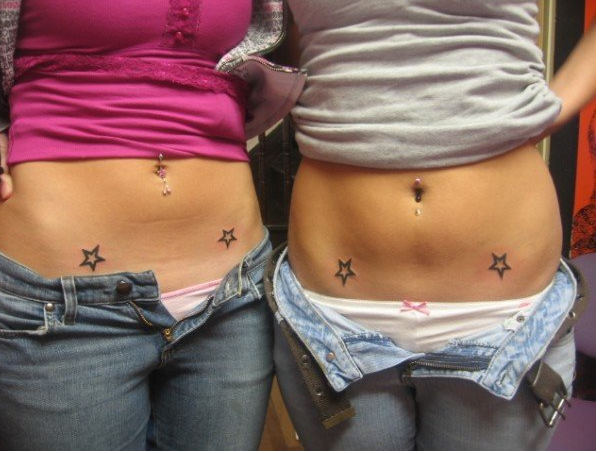
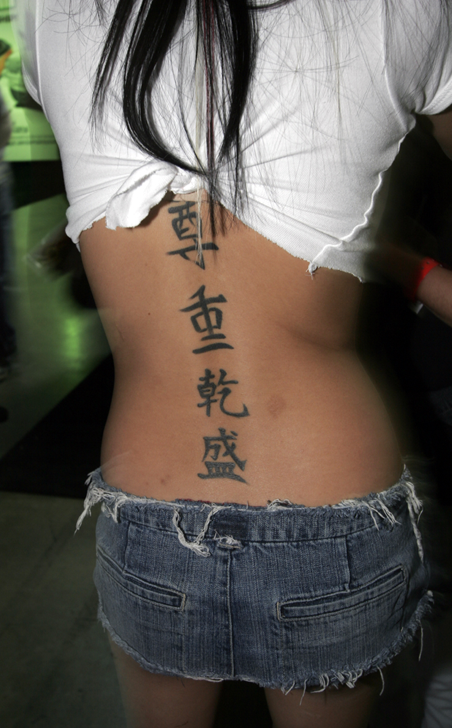
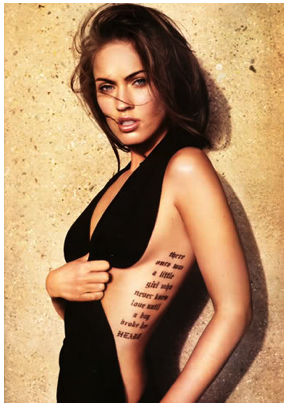
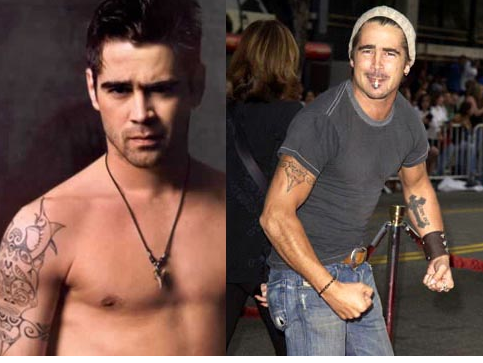
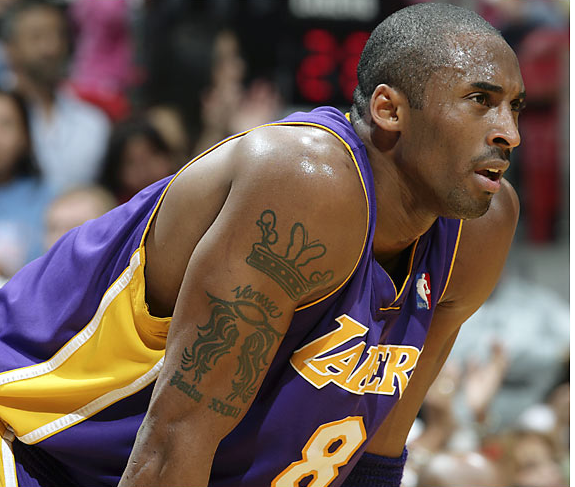
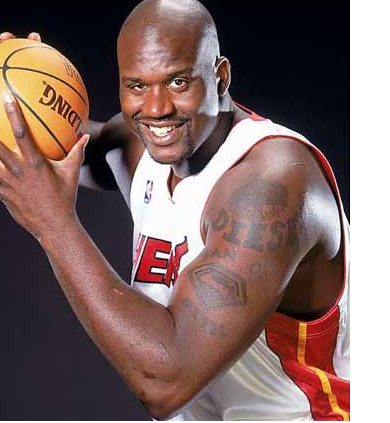
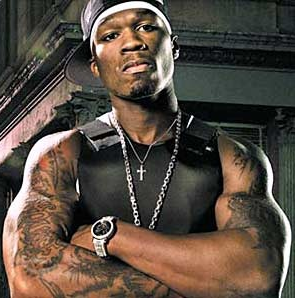
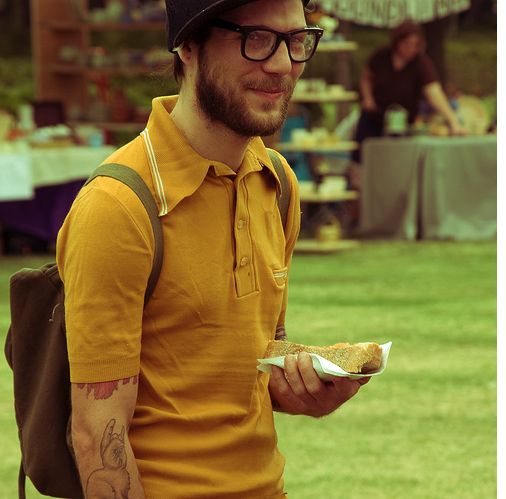
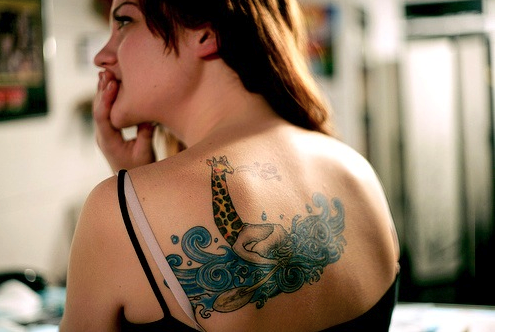
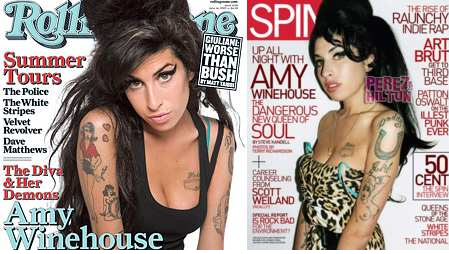
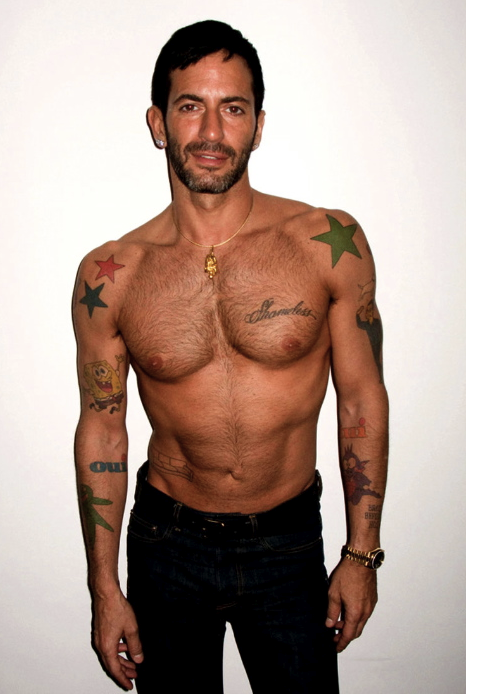
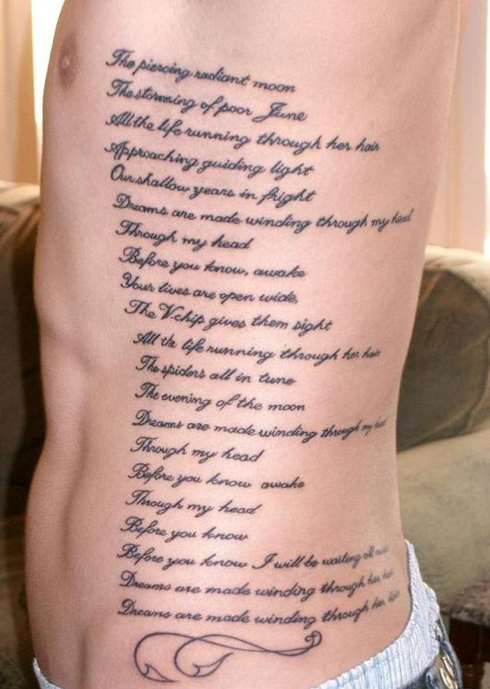
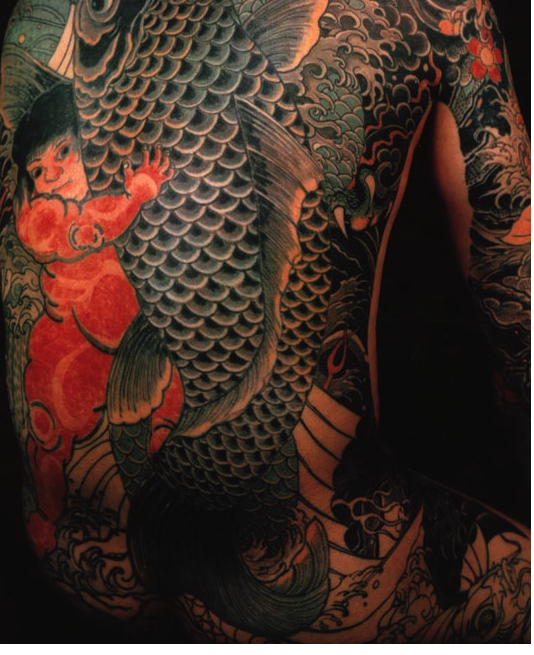
Are Tattoos—once underground, now ubiquitous—sacredly profane or just street cred for yuppies?
Tattoo on the lower back? Might as well be a bullseye. ~ Vince Vaughan, in Wedding Crashers, 2005.
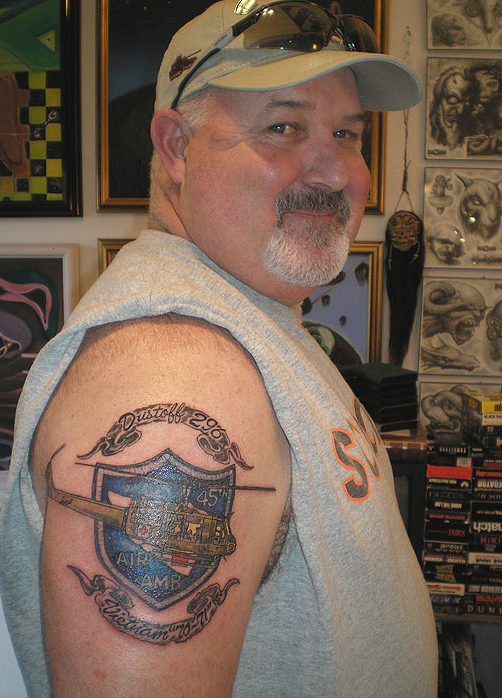
One thing is clear: tattoos have transitioned from tradition (veterans) to fashion (all of us).
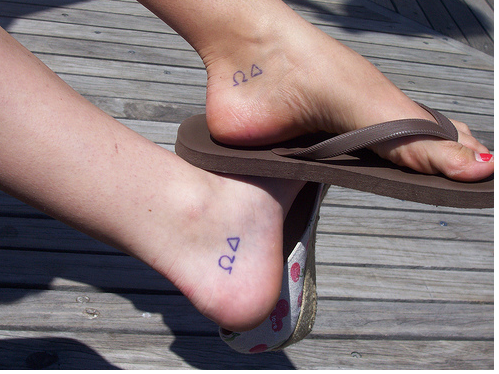
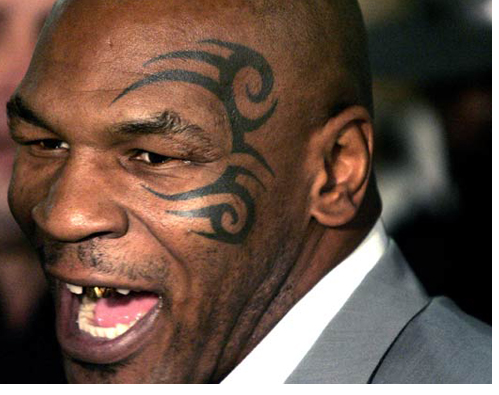
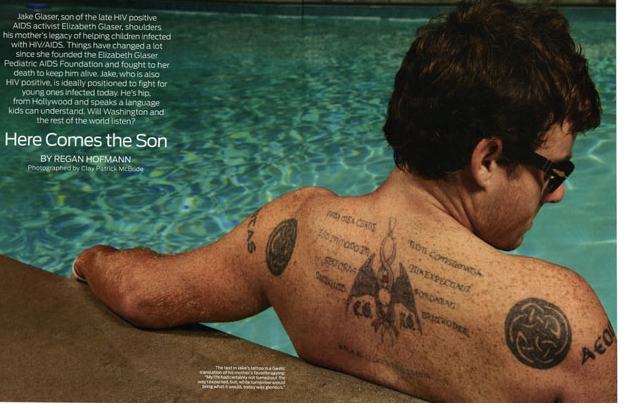
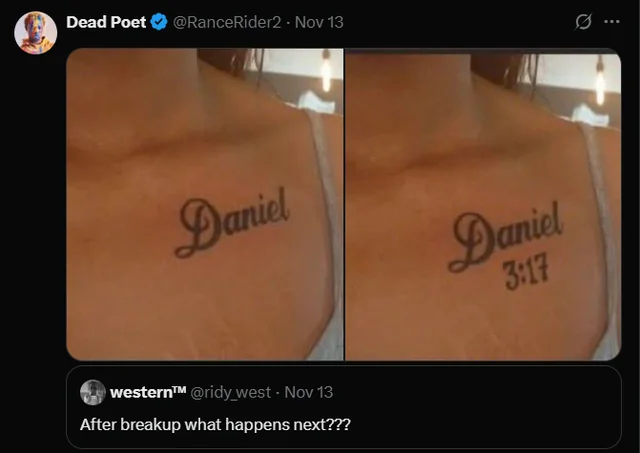
Once the provenance of sailors and military vets, tattoos are now common, and accepted, on sorority girls and NBA players alike. I’ve heard more than once from friends who say “egad, that girl’s tattoo will be weird to look at when she’s a grandma.” But generally we’re aok with tatto0s. They’re no longer bad boy—they’re downright yuppie. While there are still plenty of amazing tattoo artists, tattoos themselves rarely signify anything deeply meaningful. I can’t tell you how many friends have got one (or ten) because “it looks cool.” And those are the ones being honest.
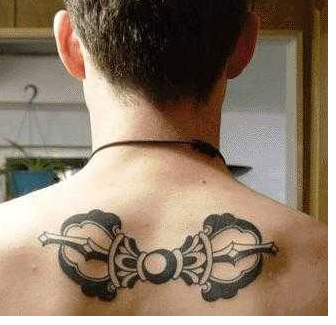
Many of my Buddhist friends get tattoos of their refuge or Bodhisattva names on their biceps or shoulderblades, or heart. “To remind me,” they invariably say, “of my commitment.” I always think, and sometimes say: “If you need reminding—if it ain’t tattooed on the inside of your heart—you shouldn’t have taken said vow in the first place.” I don’t know that I’m right, however: there’s a long tradition in Buddhism of posting reminder notes of waking up to yourself around the house. And that’s essentially what function these Buddhist tattoos seem to serve: reminders to wake up. And that’s a good thing.
This mornin’, in the tub, in the middle of a long New Yorker article, I was surprised to hear underground end-of-the-world author James Kunstler refer to tattoos negatively.
Excerpt:
“I’d say an emergency meeting of the G7 is pretty much the front entrance,” Kunstler said. “Although who would have thought Iceland would be the first to go?”
Kunstler saw degeneracy everywhere. Stopping in a pharmacy to drop off a prescription for sleeping pills, he was nearly bowled over in a narrow aisle by a heavyset woman, and remarked, “Our fellow-Americans just don’t look that healthy.” The tattooed arms of a young man standing next to a young woman at a crosswalk qualified him as a “bad boyfriend.” (The proliferation of tattoos, Kunstler has written, is “a symptom of the growing barbarism in American life,” and the fact that tattoo parlors now rent space on main thoroughfares, like Saratoga Springs’ Broadway, rather than in back alleys, is “a harbinger of social dysfunction.”)
Kunstler showed me a motel at the corner of Broadway and Division Street, near the outdoor café, that he considered “the most low-quality Western-civilization architecture conceivable.” Its name was the Downtowner, although its appearance suggested a Roadsider. “Look at the details,” he said. “Look at those stupid mangy little shutters and those horrible windows, and the horrible steel railings and those ridiculous pilasters. Everything about it is just so cheap. And the thing that amazes me is that this is the stuff that we built in the most confident and flush period of our history, in the sixties, when, you know, we were basically ruling the world!” Farther along, we came across a faux-Georgian bank, which he said was “basically fabricated out of the cheapest shit you could possibly get, stuck onto a brick box. Except it’s not even a brick box. It’s an aluminum-frame box with a brick veneer, meant to visually get across a cartoon idea that this is a plantation house, and therefore a dignified building-you know, with a dignified activity, banking, going on.” Hard as it may be to believe, Saratoga Springs rates comparatively well in Kunstler’s assessment of America’s built environments.
The architectural criticism was inextricably linked to our national predicament, because in Kunstler’s view the American economy since the Second World War has essentially been one of continuous sprawl-building, made possible by cheap (but diminishing) energy sources, and, given what we’ve built, it amounts to “the greatest misallocation of resources in the history of the world.” As long-term infrastructure, McMansion subdivisions and the big-box retailers that service them are only worth the scraps that can be salvaged by scavenging, he contends…for the rest of this worthwhile read, click here.
Click main image to toggle thru.
[galleria thumb_w=120 thumb_h=90 thumbnail=”bottom” navigation=’none’ ]
Galleria broken. Here’s a substitute:














—
 Read 25 Comments and Reply


Read 25 comments and reply