
 Share on bsky
*Editor’s Note: This piece is part of a series. Read the first part here.
In part one, I shared how sometimes we ruin our child’s confidence without realizing it.
We all want our children to become confident adults who can align their decisions with their values. However, our daily habits don’t always match our intentions. We unknowingly and continuously make small mistakes that usually hold our children back.
We all make mistakes, which is totally fine and normal. But as parents, we should equip ourselves with the best parenting tools to help our children grow into responsible, independent, and curious adults.
As a parent, I know that reading powerful parenting advice is easy; I also know that actually practicing it is hard. However, there’s one nonnegotiable rule I have with my child, no matter how tough it gets: I know when to step in and when to step back. Because I was raised in an overprotective environment, I know the ugly effects of overprotection.
The parental instincts that kick in when we first see our newborn are unavoidable. So, it’s completely normal to want to protect our child and keep them safe from any harm. I still remember my son’s first steps at 12 months and how he wobbled from side to side. I’ll never forget how my heart skipped a beat with every step. I also remember the first time he tried solids; I was terrified that he might choke on the carrots.
The last three years have been a rollercoaster of anxious moments. Because I love him, I naturally want to protect him. But my fear and anxiety are private emotions that I keep for myself. I don’t even share how I feel with others when he’s around. I simply do my best to keep my overwhelming feelings in check so they don’t show on my face or impact his attitude or performance.
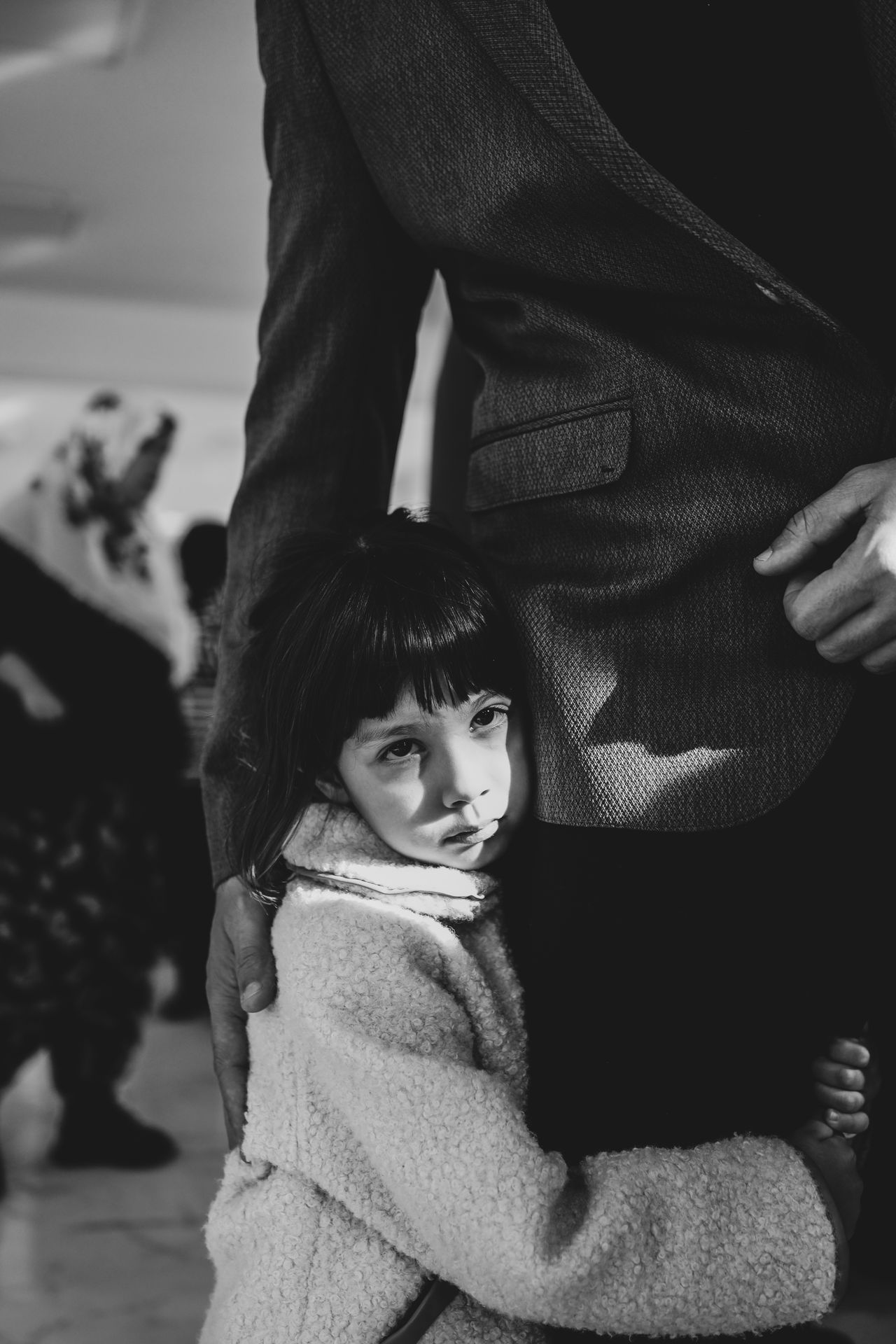
Having said that, I understand that fear is a natural part of being a parent. I also recognize that letting those fearful emotions get to us might lead to knee-jerk reactions that overshield our child. As a start, let’s define overprotection: Overprotection is about stepping in too much and not stepping back enough. Even when it’s clear that our child might not be in a dangerous situation, we might end up smothering him. In other words, we have a strong desire to prevent our child from feeling any discomfort or a sense of failure.
Some examples might include:
>> Asking them to hold our hand while walking in a secure space.
>> Doing for them what they can clearly do for themselves: dressing up, eating, using the restroom, washing their hands, tidying up, or putting on their shoes and jackets.
>> Correcting their activities, such as drawing, cutting, painting, or coloring within the lines.
>> Constantly telling them what not to do, especially when playing, climbing, socializing, or running.
>> Preventing them from experiencing the natural consequences of failing, forgetting, or being unprepared.
>> Imposing our preferences just because it works best for us.
>> Intervening too soon when there’s a problem that needs solving.
>> Stopping them from feeling challenging emotions, such as anger, sadness, or disappointment, and distracting them with something better/happier.
These well-intentioned habits usually send the wrong message. When we intervene too much, too soon, we do it out of love. We do it to protect our child from the “dangerous” world out there. But the truth is, the only message we send the child is this:
“You are incompetent to face the world.”
When we remove discomfort from a child’s world, we remove their willingness and determination to cope with it. How can a child build resilience if we don’t give them the opportunity to overcome challenges? Overprotection doesn’t just hinder their brain development; it also shapes the adult they become. They will grow into adults who don’t trust themselves enough. They will assume they are incapable of certain tasks simply because they didn’t experience them during childhood.
Overprotected children become adults who give up after one failure; they rarely try again. They internalize setbacks and think it’s who they are. Because they aren’t accustomed to failure, they don’t realize that it takes trial and error to succeed. And, most likely, they might struggle with anxiety, low self-esteem, and many fears that could stifle their adult life.
To solve the dilemma of constant overshielding, we need to learn when to step back. It takes deep self-awareness to recognize when a child genuinely needs support. It goes without saying that we need to intervene and protect our child when they’re facing serious harm, such as being around an abuser, handling a sharp object, or crossing a busy street alone. Yet, for regular, daily activities—like eating, playing, or just being themselves—we must cultivate the skill of observation.
When we closely observe our child, we can assess whether they need help. Follow their cues:
If they’re facing complications, are they independently resolving them or struggling to manage? If they’re making progress without frustration, then we must refrain from intervening or helping.
Are they asking for our assistance? That’s when we can step in and offer minimal help or divide tasks with them.
We also need to remember that just because our child is taking their time, it doesn’t mean they’re struggling. For example, if our child is taking their time to put on their shoes, we shouldn’t break their focus or rush them. A child who’s working quietly with deep concentration means they’re learning a new skill or slowly mastering it.
We have lots of self-reflection to do so we can stop expecting kids to act exactly like us. Most times, we overprotect, redirect, or interfere because our child isn’t meeting our expectations. Personally, as long as my son is kind, safe, and respectful of himself and others, I step back. So, when we overprotect, we overparent. But parenting is simply knowing when to step in, how to help, and how much to let a child do.
Our job is to raise happy, independent children safely. Slowly, we learn to differentiate between minor risks and hazardous risks. We learn when to step in and when to step back. Showing children trust teaches them to trust themselves.
In the third part, I will discuss the second unintentional mistake we make:
Labeling.
~
 Leave a Thoughtful Comment





Read 0 comments and reply